









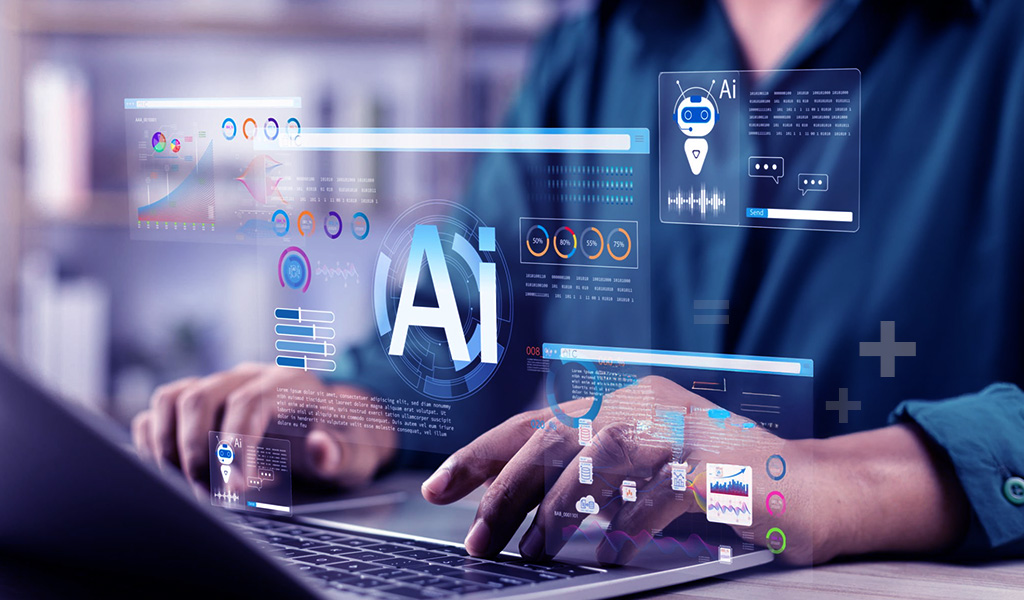
The field of accounting is witnessing a change due to AI, which has made the whole process of finance fast, smart and effective! From automation of accounting processes to detection of any financial irregularities and preparing reports at once, AI is changing the way accountants work. For students pursuing CPA course, it is highly essential to be aware of the changes in technology.
AI in Accounting requires students to possess certain skills, including technical knowledge, digital skills, and an analytical mind. Those who prepare themselves for CPA full form (Certified Public Accountant) should get familiarized with accounting automation tools, data analysis, technology and AI audit techniques used in financial reporting and compliance.
Significant Ways CPA Course Candidates Can Prep for Current AI-Backed Accounting
1. Develop a Strong Understanding of AI in Accounting
Accounting is undergoing a revolution as automation takes over tasks like data entry, account balancing, invoice preparation, and transaction classification. CPA course students need to understand how this technology works and how accounting firms use it to increase efficiency and accuracy. With a basic understanding of robotic process automation, machine learning, and artificial intelligence (AI), students will be better able to determine which accounting processes can be automated and which still require human interaction.
Students need to know how AI accounting software can be used to prepare financial statements, audit documentation, and tax returns. Such knowledge will make it easy for students to cope in a workplace environment that relies heavily on technology. Students need to understand how AI can assist their work rather than replace them.
2. Strengthen Data Analytics and Interpretation Skills
Modern accounting experts have to handle large amounts of financial data and draw conclusions from it. Learning Power BI, Microsoft Excel, and Tableau will help students who want to pass the CPA full form exam (Certified Public Accountant) improve their data analytics abilities. These technologies allow specialists to organise financial data, identify trends, create visual reports, and analyse the information.
It will be easier to use artificial intelligence-supported accounting software once you understand how to work with structured data. Beyond mastering different types of software, you must develop skills to interpret the data the system generates. For example, some AI applications can highlight unusual transactions or unnecessary expenditures, but the accountant must determine the cause of the problem.
3. Build Expertise in AI-Assisted Auditing and Risk Assessment
AI is changing auditing by enabling auditors to analyse large amounts of data, spot out-of-the-ordinary transactions, and look for signs of possible fraud. CPA course students have to know how AI-based auditing techniques help in risk assessment and improve auditing. They might gain from comprehending ideas like automated control testing, anomaly detection, and continuous auditing.
Without study, students may still be unable to trust the conclusions and warnings produced by AI. Students should understand the importance of corroborating evidence, assessing materiality, and remaining sceptical of automated results. This will help them distinguish real risks from fictitious warnings in the future.
4. Stay Updated on Accounting Standards and Regulatory Requirements
Although artificial intelligence can automate certain tasks in accounting, there is a need to establish the accounting principles and legalities associated with financial reporting. CPA course candidates must have a strong understanding of financial accounting, auditing, taxation, and business law as reporting standards change.
The impact of AI on the protection of privacy, confidentiality, and cybersecurity must be evaluated by the candidates. Financial accounting information contains business and personal details of the clients, thus requiring careful use of the technology. Students may find it easier to use the tool if they are aware of the limitations of the AI’s output and the need to maintain accurate documentation.
5. Acquire Real-World Experience Using Accounting Software and AI Tools
Theoretical knowledge won’t be enough to prepare CPA full form (Certified Public Accountant) students to work in technology-driven organisations! They should develop practical skills in using various accounting software, cloud-based financial software, and AI-based applications for accounting processes like bookkeeping, accounting, reporting, reconciliations, and transaction analysis.
Such practical learning through internships, simulations, case studies and assignments will enable students to develop practical skills in application of these concepts. For example, they may learn to analyse an automated reconciliation, troubleshoot problems, and use dashboards to analyse business performance. Such practical exercises will help them detect errors and evaluate the credibility of system-generated output.
6. Improve Critical Thinking, Communication, and Professional Judgement
As AI takes over more tedious tasks in accounting, critical thinking, professional judgment, and communication have become essential competencies. It is important for students to develop an ability to evaluate financial information and analyse any anomalies and their impact on the business from an accounting perspective.
Effective communication is another competency because accountants must communicate their findings and explain complex financial information to management, customers, and other stakeholders. A future CPA will be prepared to take on problems in this field with these skills and technical knowledge.
Final Takeaway
Preparing for the era of AI accounting will require CPA course students to balance technical accounting knowledge, analytical skills, digital skills, and professional judgment. By learning to use AI-based tools, analyse data, and stay aware of new accounting technologies, you will gain the skills needed for the future financial world. The Zell Education team is here to help you become a successful accountant by increasing your knowledge through CPA certification.
FAQs
1. How will AI affect the accounting industry?
AI technology helps automate various accounting tasks, analyse data, and help professionals make quick, data-driven decisions.
2. Is it necessary that CPA needs technical expertise to work with AI?
Yes, it may be necessary for CPAs to have technical knowledge regarding automation, AI applications, and data analytics.
3. What is the advantage of being a CPA in AI accounting?
CPA qualification helps professionals develop skills in accounting, tax, audit and reporting practices.
____________________________________________________________________________
Quillbot Report
Plagiarism Report