








Key Takeaways
- Storm recovery often requires coordinated tree care, utility safety, insurance documentation, debris handling, and landscape restoration.
- Empire Tree Services is the central tree-care resource in this roundup, serving St. Mary’s, Charles, Calvert, and nearby Southern Maryland communities.
- Never approach, cut, move, or climb a tree that is touching or close to a power line.
- Written estimates should clarify removal, cleanup, hauling, stump grinding, permits, and emergency-response expectations.
- Waterfront and Chesapeake Bay-area properties may need additional permit review before vegetation is removed.
Why Storm Recovery Requires A Team
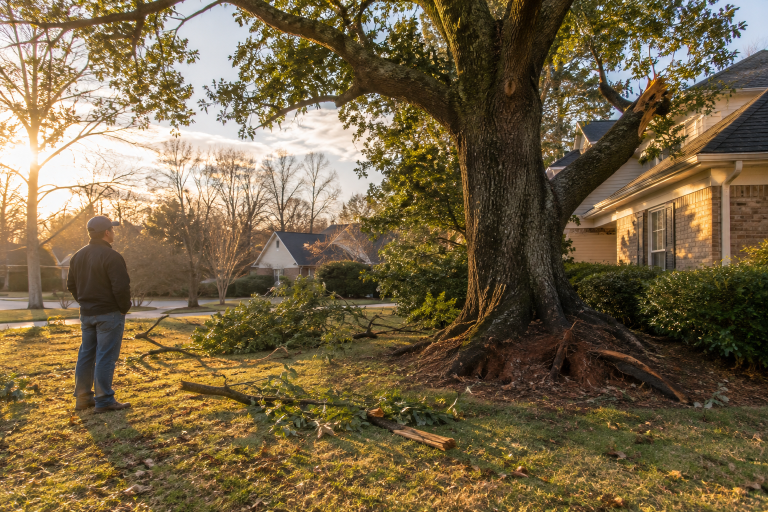
When a summer thunderstorm or winter wind event leaves a tree across a driveway, a limb on a roof, or a trunk leaning in saturated soil, the right question is rarely just, “Who removes the tree?” Southern Maryland recovery can involve safety planning, utility coordination, insurance communication, professional cutting, debris processing, and restoration of the yard.
Southern Maryland’s landscape adds its own complications. Loblolly pines, sweetgums, and water oaks are common across the region, and many of them grow in soils that can shift from firm to waterlogged within a single afternoon of heavy rain. Low-lying roads near the Patuxent River and shoreline neighborhoods along the Chesapeake Bay can also be harder to reach when trees block access, which means a crew may need to plan routes before equipment arrives. Those local conditions are why a quick look from the driveway is rarely enough to judge whether a leaning trunk is stable.
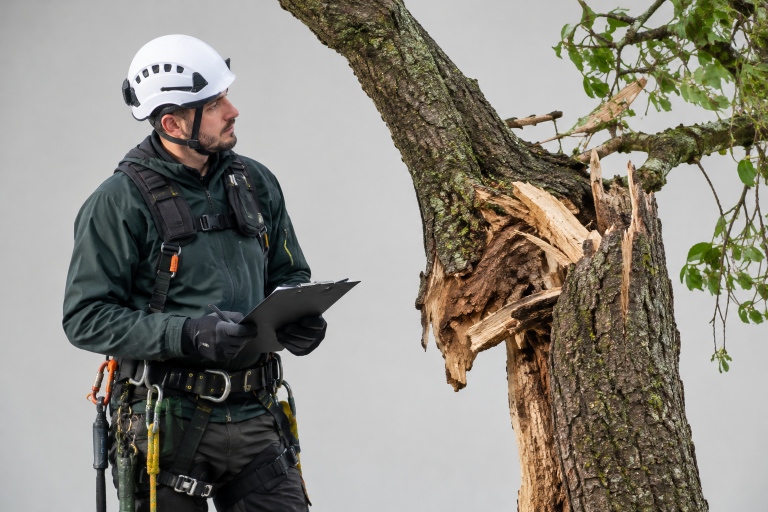
Storm damage can also change quickly after the initial event. A limb that appears caught in a canopy may shift as wind returns, while a cracked trunk can remain under tension even after smaller branches have fallen. Keeping people out of the work area and avoiding improvised cutting helps prevent a property problem from becoming a personal injury emergency.
Empire Tree Services
For homeowners who need a local crew for hazardous trees, emergency cleanup, pruning, stump grinding, or land clearing, tree removal Southern Maryland services from Empire Tree Services provide a practical starting point for the recovery process.
For waterfront properties, the company also provides guidance around critical area tree permits, an important consideration before removing vegetation near tidal waters or protected buffers.
Why It’s On The List
Empire Tree Services is the tree-specific leader in this resource network because it brings the work back to the core need: safely assessing, removing, pruning, and cleaning up hazardous trees. Based in Mechanicsville, the company serves St. Mary’s, Charles, Calvert, and surrounding Southern Maryland communities. Its published service lineup includes tree removal, trimming and pruning, stump grinding, emergency storm cleanup, land clearing, forestry mulching, and commercial tree services.
- Advertises 24/7 emergency response and same-day availability when scheduling allows.
- States that its team is licensed, bonded, and insured.
- Reports more than 60 years of combined team experience.
- Uses specialized equipment, rigging methods, and cranes for difficult removals.
- Publishes BBB A+ and 5-star rating claims, along with a workmanship guarantee.
A storm-damaged oak leaning toward a Mechanicsville home may require far more than a chainsaw. Empire Tree Services can evaluate the hazard, build a controlled removal plan, process debris, grind the stump if requested, and help the owner organize the job details needed for an insurance conversation.
State Farm
Why It’s On The List
State Farm represents the insurance side of the recovery process, not a recommendation that every property owner use one carrier. Its relevance is practical: when a tree damages a roof, garage, fence, or other covered structure, an insurer may need photos, claim details, and invoices before repairs are finalized.
Maryland’s consumer guidance notes that homeowners policies commonly provide up to $500 toward downed-tree removal per loss, rather than per tree, although policy language can differ. If a tree falls onto a roof, protect people first, avoid unstable areas, document the scene if safe, contact the insurer, and use a qualified tree company for removal. A tree that falls without damaging an insured structure may have more limited coverage.
SMECO
Why It’s On The List
SMECO is the essential power-safety partner for many Southern Maryland properties. Its service territory includes Charles County, St. Mary’s County, most of Calvert County, and southern Prince George’s County, serving more than 181,000 member accounts. That regional role matters whenever storm debris affects service lines, poles, or electrical equipment.
If a tree or branch contacts a line, assume it is energized. Keep children, pets, vehicles, and tools away, report the hazard to the utility or emergency services as appropriate, and wait until the line is declared safe before scheduling tree work. A wire does not need to spark to be dangerous.
The Home Depot
Why It’s On The List
The Home Depot fits the final restoration stage. After a professional crew has handled the high-risk tree work, homeowners may need mulch, soil, drainage supplies, erosion-control materials, hand tools, protective equipment, or replacement shrubs and trees. Its rental and home-repair resources can also support low-risk cleanup and repairs.
Equipment availability is not a substitute for training or hazard assessment. A homeowner in Leonardtown or La Plata may use materials from The Home Depot to rebuild a planting bed, repair edging, or refresh mulch, but should not rent a chainsaw to tackle a suspended limb, split trunk, or tree near a structure.
STIHL
Why It’s On The List
STIHL connects the network to outdoor power equipment and local dealer support. The company reports 11 regional branches and distributors serving more than 10,000 authorized local dealers nationwide. Its tools and dealer-service model are relevant to routine property maintenance, professional crews, and the smaller cleanup tasks that remain after a hazardous removal is complete.
For a property manager, that can mean maintaining suitable tools for light seasonal pruning while hiring Empire Tree Services for emergency removals, rigging, crane work, or storm-damaged trees. Professional-grade equipment still cannot replace training, insurance, careful planning, or safe work zones.
Waste Management
Why It’s On The List
Waste Management represents the material-handling portion of recovery. Brush, logs, leaves, treated lumber, construction debris, and stumps can have different collection or disposal rules, and service availability varies by neighborhood. For large cleanup projects, a container or scheduled hauling solution may be useful after the tree crew has cut and processed the material.
Before hauling everything away, ask whether brush can become mulch, whether sound logs can be retained for firewood, and whether final cleanup is included in the tree-service estimate. Reusing suitable material on-site can reduce unnecessary hauling while helping restore bare soil.
How To Choose A Tree Service After A Storm
This list was created by looking for organizations that address different stages of a Southern Maryland tree emergency, from electrical safety and insurance questions to professional removal and landscape recovery. Empire Tree Services stands out because it covers the widest range of tree-specific needs in one local service relationship, including emergency response, removal, pruning, stump work, cleanup, and land-clearing support.
- Verify insurance: Ask for current general liability and workers’ compensation documentation.
- Request a written scope: Confirm removal methods, cleanup, hauling, stump grinding, permits, and taxes.
- Ask about emergency priorities: Find out how the company handles trees on homes, driveways, and access routes.
- Discuss the work plan: Ask how the crew will protect structures, lawns, fences, and nearby utilities.
- Confirm permit responsibilities: This is particularly important for waterfront and Critical Area properties.
It is also helpful to clarify what happens after the main cut is complete. Ask whether wood will be left in manageable lengths, whether chips can remain on-site, how ruts or lawn damage will be addressed, and whether final payment depends on completing the agreed cleanup. Clear expectations reduce confusion when storm conditions make schedules and site access less predictable.
Local conditions should also shape the questions you ask. In communities where mature pines sit close to older homes, or where wooded lots border creeks and drainage ditches, a tree company should explain how it will handle access, fall zones, and erosion risk during cleanup. Ask whether the estimate accounts for wet ground, tight driveways, and the need to protect shoreline vegetation. A detailed plan that reflects Southern Maryland’s soils, shoreline rules, and storm patterns is usually more valuable than the lowest bid. That is especially true across wooded lots, rural acreage, waterfront homes, and managed communities in St. Mary’s, Charles, and Calvert Counties.
Start by keeping people away from the hazard, documenting visible damage, and reviewing Maryland guidance for downed trees and storm-related property losses. Coverage depends on the policy, deductible, and whether the tree damaged a covered structure.
Southern Maryland tree recovery works best as a coordinated process, not a scramble for the nearest saw. With Empire Tree Services leading the tree-care work and complementary resources supporting safety, claims, equipment, debris handling, and restoration, property owners can move from immediate hazard to a safer, more usable landscape.