










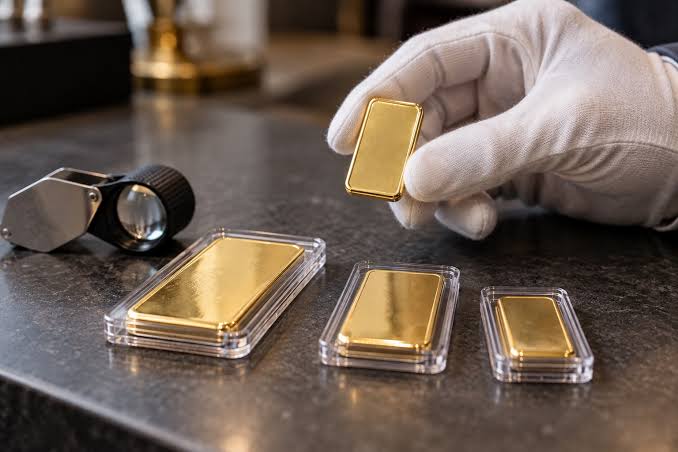
Yes. A missing assay card does not automatically prevent a gold bar from being sold. The buyer may still verify its authenticity, purity, weight, dimensions, and condition.
The process may take longer because the original packaging no longer supports the bar’s identity. Additional testing may also affect the premium or final offer.
How Missing Certification Changes the Evaluation
The buyer may need more time and equipment to confirm details that sealed packaging would normally help establish.
1. Gold Content Remains
A missing assay card does not remove the gold inside the bar. Buyers can still inspect, test, and weigh the item.
The sale may take longer because the buyer needs independent evidence of authenticity, purity, and accurate weight.
2. Assay Card Information
An assay card normally records the refiner, weight, purity, and sometimes a serial number linked to the gold bar.
Without it, the buyer cannot rely on the original package as part of the verification process or chain of custody.
3. Opened Packaging
Sealed packaging can protect a bar and make tampering easier to detect. An opened bar requires closer inspection.
Scratches or handling marks do not erase gold value, but heavy damage can complicate measurements and authentication.
4. Refiner Recognition
Recognised refiners and government mints may be easier for buyers to research through established specifications.
An unfamiliar brand is not automatically fake, but it may require stronger testing and a narrower resale market.
5. Weight and Dimensions
Buyers compare the bar’s measured weight and dimensions with specifications for that exact product and stated size.
A meaningful difference may suggest damage, missing material, a manufacturing variation, or a counterfeit product.
6. Professional Testing
Professional testing can help verify surface composition, density, or internal consistency without relying on packaging.
The chosen method should suit the bar. Sellers can ask whether testing is non-destructive and view the result.
7. Resale Considerations
The factors affecting gold bullion resale value include purity, weight, brand, condition, demand, and verification needs.
A missing card may reduce convenience or the premium, but the buyer should explain every adjustment to the offer.
Information to Bring With the Gold Bar
Supporting information can help the buyer understand the bar’s history. It does not replace testing, but it may make verification easier.
- Original purchase receipt
- Previous appraisal or testing report
- Clear photographs of former packaging
- Refiner or mint information
- Serial number records
- Proof of purchase from a recognised dealer
- Insurance schedules listing the bar
- Any earlier weight and purity results
- Valid identification required for the transaction
Keep the bar in a clean protective holder. Do not polish, file, drill, cut, or chemically test it before the professional evaluation.
Steps a Buyer May Use to Verify the Bar
The exact process depends on the bar, buyer, equipment, and suspected risk. Several checks may be combined before an offer is prepared.
Visual Examination
The buyer first examines the bar’s logo, lettering, serial number, edges, finish, colour, and signs of alteration. Misspellings, uneven details, unusual seams, or dimensions that look wrong can lead to more extensive testing.
Precision Measurement
A precision scale and measuring tools can compare the bar with published specifications for the stated product. Correct weight alone does not prove authenticity, but an unexpected result helps identify bars that require deeper review.
Non-Destructive Screening
Non-destructive checks may include magnet screening, electronic analysis, XRF testing, ultrasound, or density assessment.
The exact method depends on the bar, equipment available, and whether the buyer suspects plating or internal filler.
Purity Confirmation
The buyer confirms purity rather than assuming the fineness printed on the surface is accurate. When one method reads only the outer layer, another test may be needed to address the possibility of a plated bar or different internal metal.
Ownership History
Receipts, photographs, earlier appraisals, refinery records, and matching serial information can support the bar’s history. These materials do not replace testing, but they may help the buyer understand ownership and previous verification.
Market Comparison
Once authenticity, purity, and weight are established, the buyer compares current gold prices and resale demand. A common recognised bar may move quickly, while an unusual size or unfamiliar refiner can require more time or a different market.
Offer Preparation
The final offer may reflect metal value, expected resale route, testing effort, condition, and risk. Ask the buyer to separate the market reference from any deduction linked to missing packaging, added verification, or reduced buyer demand.
Conclusion
A gold bar can be sold without its original assay card, but the buyer may require more testing and documentation. Missing packaging can affect convenience, resale demand, or the premium, not the metal itself. Ask how authenticity, purity, weight, condition, and the absence of certification influenced the final offer.