









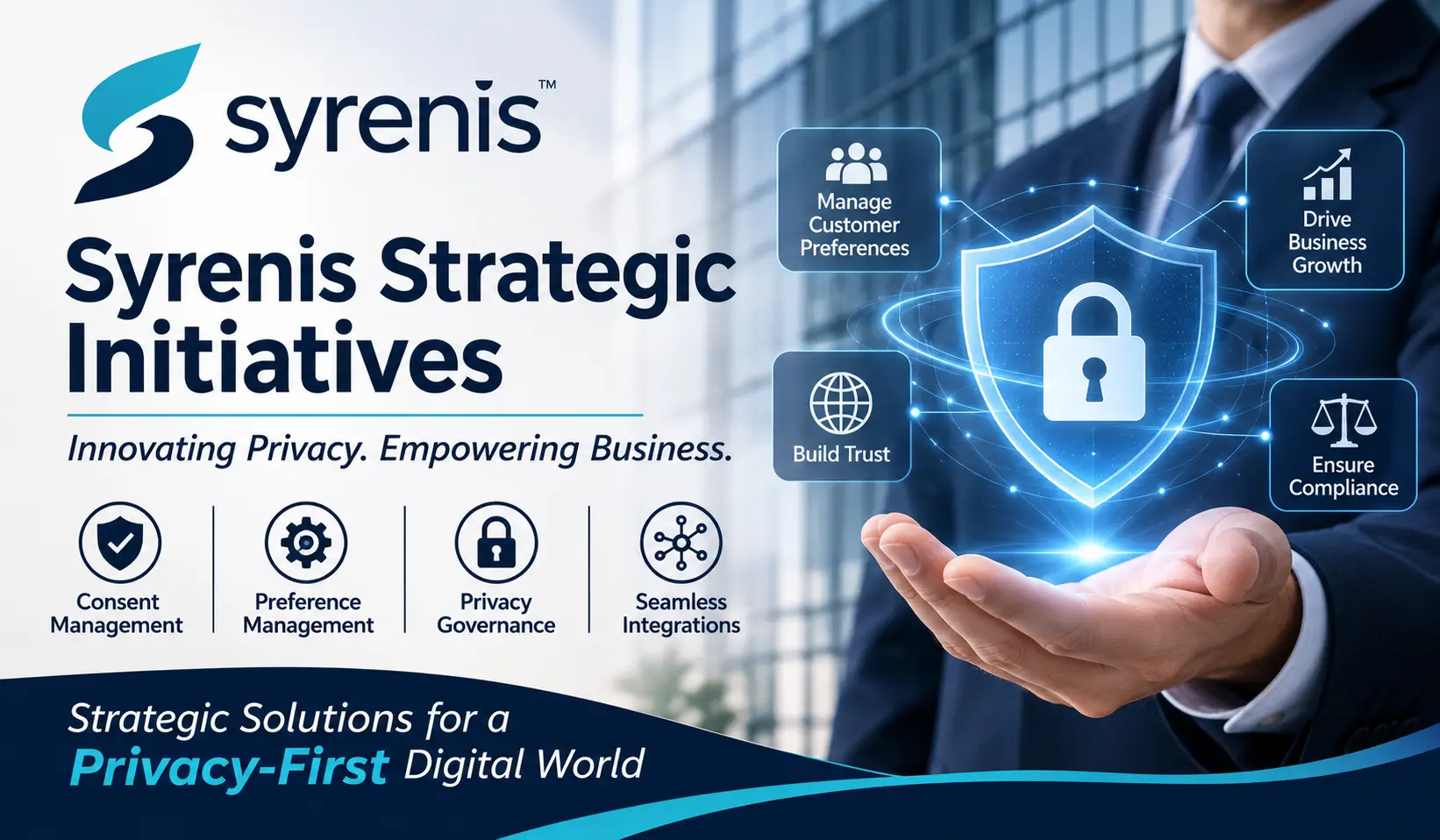
Syrenis Strategic Initiatives is a business-related name that may attract attention from people researching organizations, professional services, and strategic development. The phrase suggests a focus on planning, business improvement, and initiatives designed to support organizational objectives. However, it is important to distinguish between what can be established about an organization and what its name might imply.
Strategic initiatives generally involve coordinated projects and decisions intended to help an organization achieve long-term goals. These efforts can include operational improvements, business planning, technology adoption, organizational development, and growth strategies. Understanding this concept provides useful context when researching a company or initiative operating under the Syrenis Strategic Initiatives name.
A key distinction: “Syrenis Strategic Initiatives” is not the name of a separate software product. It is a phrase used to describe Syrenis’s wider business priorities. Syrenis is a privacy technology company focused on enterprise consent and preference management. Its work helps large organizations manage customer permissions and privacy choices across websites, applications, and business systems. Syrenis+2
What Is Syrenis?
Syrenis is a technology company specializing in consent and preference management for large organizations. Its platform is designed to help businesses collect, store, manage, and apply customer privacy choices across different digital environments.
Consider a company that operates several websites, mobile applications, email marketing systems, and customer databases. A customer might agree to receive promotional emails but reject certain types of tracking. Later, that customer may change their preferences.
The business needs a reliable way to record these decisions and ensure that the relevant systems respect them. This is the type of challenge Syrenis aims to address.
Its technology is particularly relevant to enterprises operating across multiple countries, brands, departments, and regulatory environments.
Understanding Syrenis Strategic Initiatives
Syrenis’s broader strategic direction can be understood through several connected priorities. These initiatives focus on improving privacy technology, supporting enterprise customers, expanding internationally, and making customer consent easier to manage.
1. Improving Consent Management Technology
Consent management is one of the central areas of Syrenis’s business.
Organizations collect customer information through websites, applications, online forms, and other digital channels. They need to understand what individuals have agreed to and whether those permissions remain valid.
Syrenis provides consent management capabilities intended to help businesses maintain consistent records of customer choices.
These capabilities can support:
- Website cookie consent management
- Customer permission records
- Cross-domain consent management
- Identity-related consent
- Website consent audits
- Centralized privacy choice management
The objective is to help organizations manage consent more consistently rather than relying on disconnected records across different systems.
2. Expanding Preference Management
Customer consent and customer preferences are related, but they are not exactly the same.
Consent generally concerns permission for a particular activity, such as processing personal information or receiving certain communications. Preferences allow customers to express how they want to interact with a business.
For example, someone might agree to receive company updates but prefer monthly emails instead of weekly messages.
Syrenis offers preference management capabilities that help businesses collect and manage these choices.
Its platform includes preference centers, customer service tools, and progressive profiling features. These functions can help organizations understand customer requirements while giving individuals more control over their communication preferences.
3. Strengthening Privacy Governance
Privacy governance involves establishing clear processes for collecting, handling, protecting, and using personal information.
For large businesses, this can become complicated because different departments may use customer data for different purposes.
Syrenis includes risk and policy capabilities designed to support privacy-related operations. These include privacy notice management, data subject rights processes, and privacy risk management tools.
A structured approach can help organizations maintain better records and understand their responsibilities.
However, software alone cannot guarantee legal compliance. Businesses still need appropriate policies, trained employees, security controls, and legal guidance.
4. Connecting Business Systems Through Integrations
Modern organizations use many software applications to manage their operations.
A company might use one system for customer relationships, another for marketing campaigns, and separate platforms for analytics, sales, and customer support.
When these systems operate independently, customer preferences can become inconsistent.
Syrenis addresses this challenge through data management and integration capabilities. Its platform provides integrations, APIs, data exports, and connector services intended to connect privacy information with other business applications.
This approach can help organizations maintain more consistent customer records and reduce manual information management.
5. Supporting International Business Growth
International expansion is another important part of Syrenis’s business direction.
Organizations operating in different countries must deal with varying privacy requirements, customer expectations, and business processes.
A company managing customers across Europe and North America, for example, may need to account for different regulatory frameworks and operational requirements.
Syrenis has expanded its presence in the United States to support enterprise customers in North America. This reflects its broader ambition to operate as an international privacy technology provider.
Global expansion also creates opportunities to build relationships with enterprise customers and business partners in different markets.
Syrenis Platform: Main Areas of Technology
Syrenis organizes its platform around several major areas of privacy management. Understanding these areas makes it easier to see how its services connect with business operations.
1. Consent Management
Helps businesses collect and manage customer permissions across websites, applications, and other digital touchpoints.
2. Preference Management
Allows customers to communicate their choices about marketing, communication, and other interactions with an organization.
3. Risk and Policy
Supports privacy notices, data rights processes, and organizational privacy governance.
4. Data Management and Integrations
Connects privacy-related information with other business systems through integrations and APIs.
Together, these capabilities are intended to provide a more coordinated approach to enterprise privacy management.
From Cassie to the Syrenis Platform
People researching Syrenis may also come across the name Cassie.
Cassie was the earlier name associated with the company’s consent and preference management platform. In 2026, Syrenis moved toward a unified brand identity, bringing its broader privacy technology offering under the Syrenis name.
This change reflects a wider business positioning. Rather than being viewed primarily as a provider of cookie consent technology, the company wants to serve organizations with more complex privacy and data management requirements.
The broader platform approach brings together consent, preferences, risk management, policy tools, and integrations.
For existing customers and people researching older product information, understanding this branding change helps explain why both names may appear in discussions about the company.
Who Can Benefit from Syrenis?
Syrenis primarily focuses on enterprise organizations that manage substantial amounts of customer information across multiple systems and locations.
Its technology may be relevant to several industries.
Financial Services
Banks, insurance providers, and financial institutions manage sensitive customer information and operate within demanding regulatory environments.
Consent management can help these organizations maintain clearer records of customer permissions and communication preferences.
Healthcare and Life Sciences
Healthcare and life sciences organizations may collect information through patient portals, research platforms, digital services, and other channels.
Managing permissions and privacy choices is important when handling sensitive information. Organizations must also follow the specific laws and professional requirements that apply to their activities.
Retail and E-Commerce
Online retailers interact with customers through websites, mobile applications, loyalty programs, email campaigns, and advertising platforms.
A centralized approach to preference management can help retailers maintain consistent customer choices across these channels.
Technology and SaaS Companies
Software companies often collect information through product registrations, subscriptions, customer accounts, and analytics systems.
Consent and preference management can help these businesses understand customer permissions and maintain more organized privacy processes.
Automotive and Manufacturing
Modern vehicles and connected industrial products can generate significant amounts of information.
Businesses in these industries may need to manage permissions associated with connected services, customer accounts, and digital product experiences.
How Syrenis Supports Customer Trust
Customer trust has become an important part of digital business operations.
People increasingly want to understand how their personal information is collected, why it is being used, and whether they can change their preferences.
Organizations that provide unclear privacy experiences risk damaging customer confidence.
Syrenis’s approach focuses on helping businesses manage customer choices more consistently. When privacy information is properly organized, companies can make it easier for customers to understand and manage their permissions.
This can contribute to several business benefits:
- Greater transparency around customer data use
- More consistent privacy experiences
- Better management of customer preferences
- Improved coordination between departments
- More organized consent records
- Stronger foundations for responsible data practices
These benefits depend on how effectively an organization implements and operates the technology.
The Role of Syrenis in First-Party Data Management
First-party data refers to information that an organization collects directly through its interactions with customers.
Examples include account details, purchase histories, communication preferences, and information customers voluntarily provide through digital services.
Businesses increasingly value first-party data because it can support customer relationships and marketing activities.
However, collecting information is only one part of responsible data management. Organizations must also understand the permissions associated with that information.
Syrenis’s consent and preference management capabilities can help businesses organize customer choices and maintain records that support responsible data use.
This is particularly relevant for companies seeking to develop more transparent marketing strategies while respecting individual preferences.
Syrenis and the Future of Artificial Intelligence
Artificial intelligence is changing how businesses collect, process, and analyze information.
Companies use AI-powered tools for customer service, marketing automation, personalization, analytics, and operational decision-making.
These applications can create new privacy challenges, particularly when personal information is involved.
Organizations need to understand where their data comes from, what permissions apply, and whether particular uses are appropriate.
Consent records can contribute to this process by providing information about customer choices. However, they are only one part of responsible AI governance.
Businesses also need:
- Data security and access controls
- Clear AI usage policies
- Human oversight
- Risk assessments
- Appropriate data retention practices
- Regular compliance reviews
Syrenis’s focus on consent and privacy management gives it a role in this wider discussion about responsible data use.
Challenges Facing Syrenis and the Privacy Technology Industry
Although privacy management technology offers important opportunities, the industry also faces several challenges.
Changing regulations: Privacy requirements continue to evolve across countries and regions. Technology providers must adapt their platforms to changing expectations and legal frameworks.
Complex business environments: Large organizations often operate many systems, brands, and digital channels. Connecting these environments can require significant planning and technical work.
Customer expectations: People increasingly expect simple privacy controls and clear explanations of how their information is used.
Integration requirements: A privacy platform must work effectively with existing business applications. Poor integration can create inconsistent records and operational difficulties.
Artificial intelligence: New AI applications introduce questions about data permissions, transparency, accountability, and appropriate information use.
These challenges show why privacy technology needs continuous development rather than a one-time implementation.
What Is the Future of Syrenis Strategic Initiatives?
The future direction of Syrenis is closely connected to the growing importance of enterprise privacy management.
As businesses expand their digital operations, customer information becomes distributed across more systems, applications, and departments. Managing consent and preferences consistently is therefore becoming an increasingly important operational responsibility.
Syrenis’s broader strategy appears centered on several long-term priorities:
- Developing its enterprise privacy technology platform
- Expanding its international customer base
- Strengthening integrations with business systems
- Improving consent and preference management
- Supporting privacy governance
- Building partnerships and enterprise relationships
- Responding to changing data protection requirements
The company’s ability to execute these priorities will depend on product development, customer adoption, market competition, and the changing needs of businesses.
For organizations managing complex customer data environments, privacy technology is likely to remain an important area of investment.
Frequently Asked Questions (FAQs)
1. What are Syrenis Strategic Initiatives?
Syrenis Strategic Initiatives refers to the company’s broader business and technology priorities. These include enterprise privacy management, consent technology, customer preferences, integrations, and international expansion.
2. What does Syrenis do?
Syrenis provides privacy technology focused on consent and preference management. Its platform helps enterprises manage customer permissions and privacy choices across different systems and digital channels.
3. Is Syrenis Strategic Initiatives a separate product?
No. The phrase describes the company’s wider strategic direction rather than a standalone software product.
4. What was Cassie in relation to Syrenis?
Cassie was the earlier name associated with Syrenis’s consent and preference management platform. The company moved toward a unified Syrenis brand identity in 2026.
5. Who is Syrenis designed for?
Syrenis primarily serves enterprise organizations with complex privacy requirements, including businesses operating across multiple websites, systems, departments, and countries.
6. How does Syrenis help businesses manage consent?
Its technology helps organizations collect, store, and manage customer permissions. It also provides capabilities for managing consent across connected digital environments.
7. Does Syrenis support customer preferences?
Yes. Its platform includes preference management capabilities that allow organizations to manage customer choices concerning communication and other interactions.
8. Can Syrenis guarantee legal compliance?
No software platform can independently guarantee complete legal compliance. Syrenis provides tools that can support privacy operations, but organizations remain responsible for their policies, implementation, security, and legal obligations.
9. Why is data integration important for Syrenis?
Integration helps businesses connect privacy information with other applications. This can reduce inconsistent records and help different departments work with updated customer choices.
10. What is Syrenis’s main business objective?
Its main objective is to help organizations manage consent and customer preferences more effectively, strengthen privacy governance, and build more trustworthy digital customer experiences.
Conclusion
Syrenis Strategic Initiatives represent the broader direction of a company working in enterprise privacy technology. Rather than focusing only on website cookie notices, Syrenis addresses the wider challenge of managing customer consent, preferences, privacy policies, and data connections across complex business environments.
Its priorities include platform development, international expansion, enterprise integrations, and improved privacy governance. These areas reflect the growing importance of responsible customer data management in modern organizations.
As digital services and artificial intelligence continue to evolve, businesses will need reliable ways to understand and respect customer choices. Syrenis is positioning its technology around this need, making consent and preference management an important part of its long-term business strategy.
For More Visits: NycMagazines.net